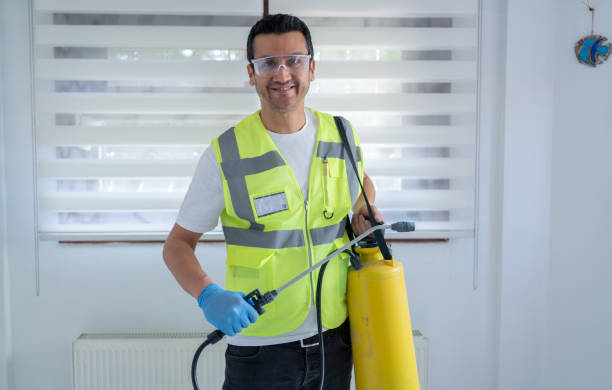
Pest control is often seen as a necessary expense, but many homeowners question whether it’s worth the investment. When considering the potential damage pests can cause and the risk they pose to health, effective pest control becomes an essential part of maintaining a safe and healthy living environment. Below are key reasons why pest control is a worthwhile investment for your home and well-being.
Protect Your Home with a Trusted Davie FL Exterminator
Certain pests, such as termites and carpenter ants, are notorious for causing significant structural damage to homes. They can chew through wood, flooring, and even walls, leading to costly repairs if left unchecked. Investing in professional pest inspections and treatments can help identify infestations early before they escalate into serious damage.
Common Pests That Cause Structural Damage:
| Pest Type | Potential Damage | Common Areas Affected | |——————–|————————————|———————————| | Termites | Weakening of wooden structures | Foundations, walls, furniture | | Carpenter Ants | Hollowing out wood | Beams, decks | | Powder post Beetles| Destroying hardwood surfaces | Flooring, furniture |
Effective Davie FL Pest Removal for a Healthier Home
- Rodents: Carry diseases like hantavirus and salmonella.
- Cockroaches: Can trigger asthma attacks and spread allergens.
- Mosquitoes: Known carriers of diseases such as West Nile Virus or dengue fever.
- Bed Bugs: Cause skin irritation from bites that can lead to infections if scratched excessively.
By investing in timely pest control measures, you reduce exposure to these health hazards.
Effective Solutions from a Pest Control Company Davie FL to Protect Your Food Supply
Many common household pests target food sources. Rodents chew through packaging to access stored food items while leaving behind contamination in the form of droppings or urine. Similarly, insects like pantry moths or weevils infest grains and cereals. The cost of replacing ruined food adds up quickly over time; preventative pest control measures help protect your pantry.
Effective Termite Control Davie FL for Long-Term Savings
While DIY methods may seem cost-effective initially, they often fail to address the root causes of infestations or provide lasting solutions. In contrast:
1. Professional services identify hidden problems before they spread further.
2. Experts use advanced tools and strategies tailored to specific pests.
3. Routine treatments prevent recurring issues that might otherwise require expensive interventions later.
A one-time expense on professional pest management often outweighs the accumulating costs associated with damages caused by unchecked infestations.
Improving Peace of Mind
Living in a home free from pests means fewer disruptions in daily life—no surprise sightings of spiders in the kitchen at night or worrying about bed bug bites while sleeping. Knowing your property is protected allows you to focus on other priorities without stress over infestations.
Investing in pest control translates not only into safeguarding your property but also into protecting what matters most—your health and peace of mind over time. While it may seem like an additional expense initially, it ultimately serves as a proactive approach toward maintaining a secure home environment for years ahead.
Proactive Pest Control Strategies to Keep Infestations at Bay
Routine Maintenance and Inspections
Perform regular checks around your home to identify potential entry points or signs of pest activity. Key areas to inspect include:
– Cracks and crevices in walls or foundations
– Gaps around doors and windows
– Damaged screens on vents and windows
– Plumbing leaks or standing water that can attract pests
Seal any openings with caulk or weatherproofing materials, repair damaged screens, and fix leaks promptly to reduce the likelihood of pests entering your home.
Proper Food Storage Practices
Pests are often attracted to food sources. To minimize this, adopt the following food storage practices:
– Store dry goods like cereal, pasta, and grains in airtight containers.
– Clean up crumbs and spills immediately after meals.
– Avoid leaving pet food out for extended periods.
Additionally, take care to wipe down countertops regularly and empty trash bins frequently so they do not become a source of attraction for pests like ants or cockroaches.
Maintain a Clean Outdoor Environment
Your outdoor space plays an essential role in preventing infestations indoors. Keep your yard well-maintained by:
– Trimming bushes, shrubs, and trees that may provide shelter for pests.
– Removing piles of leaves, woodpiles, or debris where insects and rodents can nest.
– Keeping garbage bins secure with tight-fitting lids.
A tidy exterior discourages pests from making their way indoors in search of shelter or food sources.
Leverage Preventive Barriers
Physical barriers can be highly effective at keeping certain types of pests out of your home:
– Install door sweeps at the bottom of exterior doors.
– Use fine mesh screens on windows to prevent flying insects from entering.
– Lay out gravel barriers around your home’s foundation to deter burrowing insects like termites.
Natural Deterrents
If you want to avoid chemical pesticides as a first resort, consider these natural deterrents: | Pest Type | Natural Repellent | |——————–|——————————————| | Ants | Vinegar sprays near entry points | | Mosquitoes | Planting citronella grass or lavender | | Mice | Peppermint oil-soaked cotton balls |
Although natural deterrents may not fully eliminate infestations, they serve as an additional layer of prevention when used alongside other measures.
Regular Professional Inspections
Even with diligent efforts, some issues may go unnoticed by homeowners. Partnering with a pest control professional for routine inspections ensures early detection of potential problems before they escalate into costly infestations.
Proactive strategies combine maintenance habits with preventive measures designed to address vulnerabilities within the environment. By implementing these approaches consistently over time, homeowners can enjoy greater peace of mind knowing they have minimized their risk of unwanted pest invasions effectively.
Comparing DIY Pest Control Methods to Professional Extermination Services
When dealing with pests in your home, deciding between DIY pest control methods and hiring professional exterminators can be challenging. Both options have their advantages and limitations, depending on the severity of the infestation, the type of pests involved, and your budget. Below is a detailed comparison to help you make an informed choice.
Advantages of DIY Pest Control
- Many over-the-counter products like sprays, traps, and baits are affordable compared to professional services.
- Home remedies using items like vinegar or essential oils can further reduce costs.
- Products for DIY pest control are accessible at local stores or online.
- Homeowners can address minor infestations immediately without waiting for scheduling.
- For individuals concerned with harsh chemicals, natural or eco-friendly DIY solutions like diatomaceous earth or borax provide alternatives.
Limitations of DIY Pest Control
- Limited Knowledge on Pests: Without proper knowledge of pest behavior, lifecycle, or entry points, treatments may be ineffective or short-term.
- Risk of Misapplication: Incorrect application of pesticides can expose households to health risks while failing to eliminate the infestation.
- May Be Ineffective for Severe Infestations: Large-scale infestations or pests that hide in hard-to-reach areas (e.g., termites) often require expertise beyond what DIY methods offer.
Advantages of Professional Extermination Services
- Thorough Inspection and Identification: A trained technician identifies not only the type of pest but also potential nesting areas and access points. This allows for targeted treatment.
- Long-Term Solutions: Professionals use integrated pest management (IPM) techniques that combine prevention strategies with effective treatments to minimize recurrence.
- Access to Commercial Products: Licensed exterminators have access to more effective pesticides and tools not available in retail markets.
Limitations of Professional Services
| Limitation | Description |
| Higher Costs | Services typically involve inspection fees and treatment expenses that may exceed initial budgets. |
| Scheduling Issues | Appointments may be delayed based on availability during peak seasons (e.g., summer). |
| Less Immediate Control | Unlike quick store-bought options, professionals often require time for planning treatments effectively. |
Factors To Consider When Choosing Between the Two Options
- For small issues like ants in the kitchen or fruit flies near drains, cost-effective DIY solutions might suffice.
- Pests such as bed bugs, termites, or rodents usually require expert intervention due to their ability to cause structural damage or health hazards.
- If you’re working within a limited budget but have moderate confidence addressing simple infestations yourself safely, start small before considering professionals.
- Families with young children or pets should prioritize safety by consulting professionals if they’re unsure about handling chemicals safely during treatment.
- Busy homeowners might find it easier and more reliable to hire experts who can efficiently manage the problem without requiring significant involvement from them.
By weighing these considerations carefully against your unique situation at home—such as the type and seriousness of pests invading—it becomes easier to decide which route provides greater value while ensuring lasting peace-of-mind for protecting both property and family health effectively over time.
Understanding the Cost Factors Behind Effective Pest Control Solutions
Effective pest control is an essential service for maintaining a safe and comfortable home. However, understanding the cost structure behind these solutions can help homeowners make informed decisions about protecting their property and health. Here’s a breakdown of the key factors that influence the cost of pest control services.
1. Type of Pest Infestation
- Ants & Cockroaches: Typically less expensive to treat due to readily available solutions and their relatively straightforward control methods.
- Termites: Often more costly because they require specialized treatments like bait systems or fumigation, as well as potential repairs to structural damage caused by the infestation.
- Bed Bugs: Complex pests that may necessitate heat treatment or multiple chemical applications, resulting in higher costs.
- Rodents: Costs vary depending on whether trapping, exclusion work, or extensive sanitation is required.
| Pest Type | Estimated Cost Range (per visit) | Notes |
| Ants & Cockroaches | $100–$300 | Usually managed through sprays or baits |
| Termites | $500–$3,000+ | May involve extensive structural work |
| Bed Bugs | $300–$1,500 | Heat treatment can increase costs |
| Rodents | $150–$500 | Exclusion and sealing may add expenses |
2. Size of Property
The larger your home or property, the higher the cost is likely to be. A sizable area requires more materials like pesticides, traps, or bait stations as well as additional labor hours for thorough inspection and treatment.
3. Severity of Infestation
Mild infestations are typically easier—and cheaper—to address than severe ones that require multiple visits or specialized treatments. Early detection plays a critical role in managing costs.
- Light Infestations: May only need one visit with basic preventive measures.
- Moderate Infestations: Could involve follow-ups and additional resources.
- Severe Infestations: Often necessitate intensive treatments such as fumigation or structural repairs.
4. Frequency of Service
One-time treatments might seem economical upfront but may not provide long-term relief from pests when compared to routine services such as monthly or quarterly plans.
- One-Time Treatment: Addresses immediate issues but lacks ongoing preventative benefits.
- Recurring Services: Long-term plans reduce reinfestation risks while spreading out payments over time.
5. Geographic Location
Your location also affects pest control costs due to variations in demand for services, climate conditions (which influence pest activity), and availability of local professionals.
Tips for Managing Pest Control Costs
- Regular Inspections: Schedule annual inspections to catch issues early before they escalate into costly infestations.
- Preventive Measures: Seal entry points around your home and maintain proper sanitation to discourage pests from settling in.
- Compare Quotes: Obtain estimates from multiple reputable exterminators to find competitive pricing without compromising quality.
- Invest in Comprehensive Plans: Enroll in service contracts that combine prevention with treatment for better long-term savings.
Understanding these cost factors allows homeowners to approach pest control with clarity while maximizing both effectiveness and value for their investment.
How to Identify the Severity of a Pest Infestation in Your Home
Identifying the severity of a pest infestation is a critical step in determining the right course of action for pest control. Early detection can prevent further damage to your property, save money, and help maintain a healthier living environment. Below is an in-depth guide on how to assess the level of infestation effectively.
Signs of a Pest Infestation
- Droppings: Rodents, cockroaches, and other pests often leave droppings near food sources or nesting areas.
- Shed Skin: Some insects like bed bugs shed their skin as they grow.
- Dead Pests: Frequent sightings of dead insects or rodents can indicate an active problem.
- Chewed Wiring or Furniture: Evidence such as gnawed wires or furniture edges may point to rodents like rats or mice.
- Holes in Walls or Floors: Termites and ants create tunnels that may leave visible holes in wooden surfaces.
- Unusual Sounds
Scratching noises behind walls, especially at night, could signal the presence of rodents or other nocturnal pests. - Odors
Persistent foul smells might come from rodent nests, decaying pests, or large colonies such as cockroaches.
Assessing Severity Levels
Once you’ve identified signs of an infestation, it’s important to gauge how severe it might be. This will help determine if DIY methods will suffice or if professional intervention is necessary.
| Severity Level | Indicators | Recommended Action |
| Low (Mild) | Occasional sightings of solitary pests; minimal property damage | Use traps, bait stations, and non-toxic repellents for control. |
| Moderate | Regular sightings; noticeable droppings; mild structural damage | Combine DIY measures with professional advice if needed. |
| High (Severe) | Frequent pest activity; significant property damage; health hazards (e.g., contamination) | Seek immediate professional extermination services. |
Tools for Identifying Pests
- Flashlights and Magnifying Glasses: Use these tools to inspect dark corners and narrow spaces where pests hide.
- Sticky Traps: Placing adhesive traps around your home helps capture insects for identification.
- Motion Sensors with Cameras: For nocturnal pests like rodents, motion-sensing devices can track their movements during nighttime hours.
- Professional Inspection Tools: Professionals often use thermal imaging cameras and moisture meters to detect hidden infestations.
When You Might Need Professional Help
- Widespread structural damage caused by termites.
- Persistent infestations that do not respond to store-bought treatments.
- Pests posing health risks such as ticks carrying Lyme disease or rodents spreading hantavirus.
By accurately identifying the severity level of your infestation early on, you can protect your home more effectively while minimizing costs associated with extensive repairs or prolonged infestations.
The Importance of Safety Measures in Modern Pest Control Practices
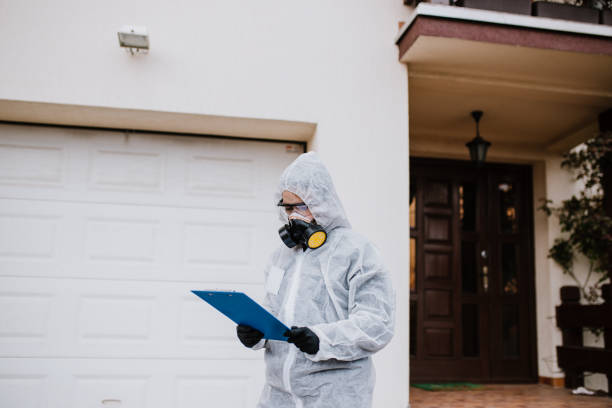
Pest control is essential for maintaining the health and structural integrity of homes, but safety is often overlooked in the process. Modern pest control practices emphasize not just eliminating infestations but doing so in a way that minimizes risks to people, pets, and the environment. Below, we’ll explore why safety measures are necessary and how they are incorporated into pest control strategies.
Why Are Safety Measures Vital?
- Health Risks to Humans: Improper handling or exposure to chemicals may lead to respiratory issues, skin irritation, or long-term health concerns.
- Harm to Pets: Animals are particularly vulnerable to toxins due to smaller body sizes and natural curiosity.
- Environmental Hazards: Overuse or improper disposal of pesticides can contaminate soil, water sources, and harm beneficial organisms like pollinators.
Key Safety Practices in Modern Pest Control
- Many pest control providers now offer organic or non-toxic treatments such as diatomaceous earth or essential oil-based sprays.
- Integrated Pest Management (IPM) techniques focus on prevention and biological controls rather than heavy reliance on chemicals.
- Pesticides should be carefully measured and applied only where necessary.
- Using protective gear like gloves, goggles, and respirators helps reduce direct exposure during application.
- Reading product labels thoroughly provides information about potential risks, recommended usage quantities, and first-aid measures.
- Ensuring adequate ventilation during indoor treatments limits inhalation risks for occupants.
- Rooms or areas being treated should be restricted from access by children and pets until deemed safe.
Comparing Professional vs DIY Treatments in Terms of Safety
| Factor | Professional Services | DIY Methods |
| Expertise | Trained technicians follow strict guidelines for safe pesticide usage. | May lack experience with proper handling techniques. |
| Chemical Selection | Professionals often use low-toxicity products. | Homeowners may inadvertently purchase stronger chemicals without understanding their effects. |
| Risk Management | Comprehensive safety protocols are part of professional services. | Higher risk due to lack of formal training. |
Tips for Homeowners Prioritizing Safety
- Opt for licensed professionals who adhere to local regulations regarding pesticide applications.
- Store all chemicals out of reach from children and pets in labeled containers.
- Seal gaps around windows, doors, and vents as a preventative measure against pests instead of relying solely on chemical treatments.
- Monitor treated areas regularly for any unintended effects such as dead wildlife or plant damage that might signal overapplication.
Focusing on these principles ensures that pest problems are resolved effectively while maintaining the well-being of everyone involved—from family members to surrounding ecosystems. Prioritizing safety is no longer an additional step but an integral part of modern pest management practices aimed at delivering sustainable results over time.
Recognizing the Three Most Common Pests Found in Homes Across the United States
Pests are an all-too-common nuisance for homeowners. Understanding the most prevalent pests across the U.S. is essential for effective prevention and management strategies. Below, we explore three of the most common pests found in homes: ants, cockroaches, and rodents. Each of these poses’ unique challenges and potential health risks.
1. Ants
Ants are one of the most widespread household pests due to their adaptability and ability to locate even the smallest food sources. While there are over 700 species in the U.S., two types—odorous house ants and carpenter ants—are particularly common in homes.
Key Characteristics:
– Odorous House Ants: Small (1/8 inch), brown or black in color, emit a foul odor resembling rotten coconut when crushed.
– Carpenter Ants: Larger (up to 1/2 inch), black or reddish-brown, known for tunneling into wood structures.
Potential Risks:
– Damage to wooden structures (especially from carpenter ants).
– Contamination of food supplies.
Prevention Tips:
– Seal cracks and gaps around windows, doors, and foundations.
– Store food in airtight containers.
– Regularly clean counters and floors to remove crumbs or spills.
2. Cockroaches
Cockroaches are notorious for their resilience and rapid reproduction rates, making them difficult to eliminate once they infest a home. The German cockroach is especially problematic due to its prevalence indoors.
Key Characteristics:
– Typically, brown or tan with two dark stripes on their backs.
– Mostly active at night (nocturnal behavior).
Health Risks:
– Spread pathogens such as salmonella, E. coli, and allergens that can trigger asthma attacks.
Signs of Infestation:
– Fecal droppings resembling coffee grounds or pepper.
– Musty odors from large populations.
| Common Cockroach Entry Points | Prevention Strategies |
| Cracks around plumbing | Apply caulking/sealant |
| Gaps under doors | Install weather stripping |
| Drainpipes | Use drain covers |
3. Rodents
Rodents like mice and rats are among the most destructive pests found inside homes. They not only cause structural damage but also pose significant health risks through contamination.
Key Characteristics:
– House Mice: Small (2–4 inches), gray or brown fur with a long tail.
– Norway Rats: Larger (6–9 inches), stocky bodies with blunt noses.
Damage Caused by Rodents:
1. Gnawing on wires leading to fire hazards.
2. Chewing through wood, insulation, or drywall.
3. Contaminating surfaces with urine/feces that carry diseases like hantavirus.
Signs You May Have a Rodent Problem
- Scratching noises within walls or ceilings at night.
- Holes chewed into food packaging.
Comparison Table: The Three Most Common Household Pests
| Pest Type | Primary Risk | Prevention Key Focus |
| Ants | Food contamination | Sealing entry points; cleanliness |
| Cockroaches | Health risks/allergens | Removing moisture; sealing cracks |
| Rodents | Structural damage & disease | Blocking access; reducing food/water sources |
By recognizing these common pests early and taking appropriate action, homeowners can protect their property as well as their health from infestations’ harmful effects.
Recognizing the Three Most Common Pests Found in Homes Across the United States
Pests are a common problem for homeowners across the United States, and while some infestations can be minor or seasonal, others have the potential to cause significant damage to your home or health. Identifying which pests are most likely to invade your property is crucial for developing effective prevention and control measures. Below, we explore three of the most common household pests and what you need to know about managing them.
1. Rodents (Mice and Rats)
Rodents, including mice and rats, are among the most persistent invaders in homes across the U.S. These pests can enter through even the smallest cracks or openings, often in search of food or shelter. They can contaminate food supplies, spread diseases like hantavirus and salmonella, and cause structural damage by gnawing on walls, insulation, and electrical wiring.
Signs of a Rodent Infestation:
– Droppings near food sources or storage areas
– Chew marks on furniture, walls, or wires
– Noises in walls or ceilings during nighttime hours
– Evidence of nesting materials such as shredded paper
Prevention Tips:
– Seal all cracks and gaps around windows, doors, foundations, and utility pipes.
– Store all food items in airtight containers and clean up spills promptly.
– Set traps or use bait stations if necessary.
2. Cockroaches
Cockroaches are one of the most resilient pests that thrive in warm climates but can survive almost anywhere with access to food and water. They pose serious health risks as they spread bacteria like E. coli and Salmonella and trigger allergies or asthma attacks in sensitive individuals.
Common Cockroach Species Found Indoors:
| Species | Habitat Preferences | Key Features |
|——————|————————————–|—————————–|
| German Cockroach | Kitchens & bathrooms near moisture | Small (1/2 inch), tan color |
| American Cockroach| Basements & sewer systems | Large (1–2 inches), reddish-brown |
Best Practices for Cockroach Control:
– Fix leaky faucets to eliminate water sources that attract cockroaches.
– Maintain cleanliness by vacuuming regularly and wiping surfaces free of crumbs or grease.
– Use gel baits or insect growth regulators (IGRs) for targeted control.
3. Termites
Termites are known as “silent destroyers” because they can cause extensive damage unnoticed until it’s too late. These wood-eating insects cost homeowners billions annually in repair expenses due to their ability to weaken structural elements like beams, joists, and flooring.
Signs of Termite Activity:
– Mud tubes along foundation walls
– Discarded wings near windowsills during swarming seasons
– Hollow-sounding wood when tapped
Approach for Termite Prevention:
1.Block entry points by addressing cracks within foundations/properly ventilating crawlspaces.
2.Schedule Regular termite inspections (especially southern states regions high-risk zones).
3.Using Repellent barriers also ideal choice wet warm zones spiking populations
- Effective Solutions with a Trusted Davie FL Exterminator
- How Davie FL Pest Control Can Protect Your Home and Health
- Understanding the Cost and Benefits of Davie FL Pest Control Services for Your Home
- Same-Day Solutions with a Trusted Davie FL Exterminator to Eliminate Pests
- Debunking Common Myths About Davie FL Pest Removal
- Winning the Fight Against Pests with a Trusted Davie FL Exterminator